Your website might not be broken. It might just be out of date.
Buyer behaviour has shifted more in the last 3–5 years than in the previous decade. People research more before they buy, trust less, decide faster, and expect more from a website before they'll hand over their money or their details.
And now, with AI search changing how people find and evaluate businesses, by the time someone lands on your website, they already know more about you than you might think.
If your website was built for the buyer of 2019, it's not built for the buyer of 2026.
This post breaks down what's changed, what buyers now expect and what your website needs to do to keep up.
Buyers have always done their homework before making a decision. But the way they research has shifted significantly.
A few years ago, someone would Google your business, click through a few websites, compare options, and eventually land on yours. You had multiple touchpoints to make an impression.
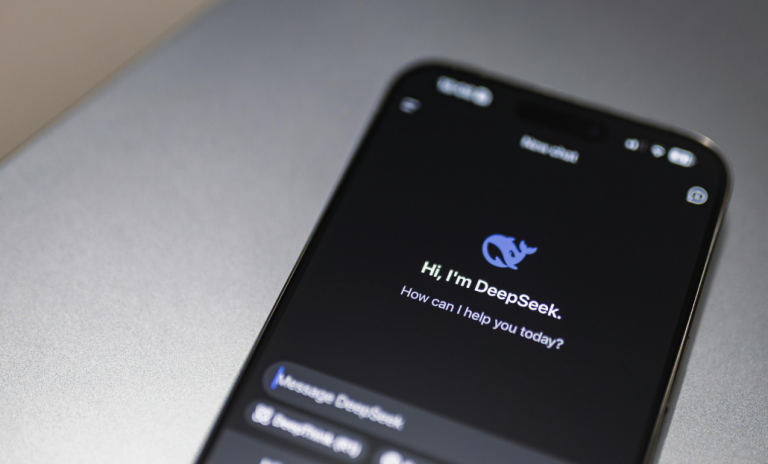
Now, a growing number of buyers are using AI tools like ChatGPT, Google's AI Overviews, Perplexity to do that research for them. Instead of visiting five websites, they ask a question and get a summarised answer. They might not visit any website at all during the research phase.
By the time they do land on your site, they're further along in their decision than ever before. They're not browsing. They're not exploring. They're confirming.
They've already decided you might be the right fit. Your website's job is to seal the deal, not to introduce yourself.
Which means a website that's vague, slow, or hard to navigate doesn't just lose browsers anymore. It loses buyers who were already close to saying yes.
Generic claims don't cut it anymore. "We're passionate about what we do." "Industry-leading solutions." "A team of experts dedicated to your success."
Buyers have read all of it. On every website. From every competitor. It means nothing.
What they want now is specifics. Real results. Named clients. Actual numbers. Case studies with outcomes, not just a logo wall. Testimonials from real people with real job titles at real companies.
The bar for trust has gone up, especially for higher-ticket purchases or ongoing service relationships where the stakes are higher. If you can't demonstrate credibility quickly and specifically, buyers move on to someone who can.
There's a common misconception that attention spans have shortened. They haven't, really. What's shortened is people's patience for unclear, cluttered, or slow websites.
If a buyer can't work out what you do, who you do it for, and why you're the right choice within the first 5–10 seconds of landing on your page, they leave. Not because they're impatient, because they're busy and there are other options.
Clarity is now a competitive advantage. The businesses with the clearest websites win the consideration phase, even if their product or service isn't objectively better.
Buyers don't sit down at a desktop to research a purchase anymore. They're on their phone on the train, on a tablet on the sofa, switching to a laptop to finalise the decision.
They expect the experience to be consistent and seamless across all of them. A website that looks great on desktop but falls apart on mobile — slow to load, hard to navigate, buttons too small to tap, is losing sales every single day.
Most businesses know this. Most haven't fixed it.
Traditional advertising is less trusted than it used to be. Polished brand messaging carries less weight. What carries weight now is peer recommendation, visible social proof, and evidence that real people have bought from you and had a good experience.
User-generated content, genuine customer stories, and visible community matter more than a well-produced brand video. Buyers want to see themselves in your existing customers, not in your marketing copy.
Each of those shifts has a practical implication for your website. Here's what needs to change.
Your homepage hero, the first thing someone sees when they land on your site, needs to answer three questions immediately:
Not a vague tagline. Not a stock photo of people in a meeting room. A clear, specific statement of what you offer and who it's for.
"We help mid-size eCommerce brands grow revenue through SEO, paid ads, and CRO" is better than "Driving digital growth for ambitious businesses."
One is specific. One could be anyone. Buyers know the difference.
A logo wall is a start. It's not enough.
Buyers want to know what you actually achieved for those clients. What was the problem? What did you do? What was the result?
Case studies with real outcomes. Testimonials with names, job titles, and companies. Numbers wherever possible.
"We generated £2.3m in additional revenue for a mid-size eCommerce brand in 12 months" is more compelling than "We helped grow their business."
The more specific you are, the more credible you are. Vague claims are easy to make. Specific results are harder to fake.
Remember, buyers are arriving at your website having already done their research. They've used AI tools to get a summary of the market. They've compared you to competitors. They have specific questions.
If your website doesn't answer those questions, they'll go back to Google (or ChatGPT) to find the answers, and they might not come back.
FAQs, buying guides, comparison content, transparent pricing (or at least pricing ranges). All of this keeps buyers on your site and moves them closer to a decision.
There's an SEO benefit here too. AI Overviews and AI search tools pull from structured, clear, well-organised content. If your website is vague or thin, it won't show up in AI-generated answers. If it's specific, well-structured, and genuinely useful, it will. That's a growing source of visibility that most businesses aren't thinking about yet.
This one isn't negotiable.
Your website needs to load in under 3 seconds. On mobile as well as desktop. Every second beyond that costs you conversions. Research consistently shows that load time and bounce rate are directly correlated.
Test your site on a real phone. Not Chrome's mobile emulator, an actual phone on a normal connection. Try to find out what you do. Try to fill in a contact form. Try to buy something.
Where do you get stuck? Where does it feel slow or clunky? That's where you're losing people.
Star ratings are fine. Real reviews are better. Real reviews with names, context, and specific outcomes are best.
"Great service, would recommend" doesn't move the needle. "We increased our conversion rate by 40% in 3 months - Sarah, Head of eCommerce, [Brand]" does.
Show photos of real work. Real clients. Real results. The more human and specific your social proof, the more weight it carries with buyers who are trying to decide whether to trust you.
What do you want someone to do when they land on your website? Is it obvious?
One clear CTA per page. Not five options pulling in different directions. Not a generic "get in touch" buried in the footer. A specific, low-friction next step that makes it easy for a buyer to move forward.
"Book a free 30-minute audit" is better than "Contact us." It's specific, it's low-risk, and it tells the buyer exactly what happens next.
The easier you make the next step, the more people will take it.
When did you last use your own website as a buyer would?
Not as someone who built it, or knows the business inside out, or can navigate it with their eyes closed. As a complete stranger who's never heard of you.
Try to find out what you do. Who you work with. What results you get. How to get started. How long does it take? How easy is it? Does it feel credible?
Most business owners are surprised by what they find. Pages that made sense when they were built but feel confusing now. Claims that felt bold three years ago but feel generic today. A mobile experience that nobody's tested in months.
Your website doesn't need to be perfect. But it does need to work for the buyer of today, someone who's already done their research, has high expectations, and will make a decision in seconds.
Buyers have changed. They research more, trust less, decide faster, and expect more. AI search has accelerated the research phase, which means by the time someone lands on your website, the bar for what they expect to find is higher than ever.
You don't necessarily need a full rebuild. But you do need to be honest about whether your site is working for today's buyer, or whether it's still set up for someone who no longer exists.
Clarity, proof, speed, and frictionless next steps. Get those four things right, and your website stops being a liability and starts being your best salesperson.